
Acrylic Nail Ideas: The Complete Guide to Application Methods, Shapes, and Choosing What’s Right for You
Acrylic nail ideas often get presented purely as a gallery of colors and patterns, but the application method underneath any design matters just as much, sometimes more, than the polish on top. Full tips, sculpted forms, dual form systems, and overlays all behave differently, wear differently, and suit different lifestyles. Choosing the wrong application method for your actual daily life often causes more disappointment than choosing the wrong color ever could.
This guide goes beyond a simple gallery of acrylic nail ideas. It explains how different acrylic application methods actually work and who each one genuinely suits, along with details most articles skip entirely like why the technique used matters more than the finished look for long term satisfaction, and why lifestyle factors like your job and daily hand use should shape your decision before aesthetics even enter the conversation. Whether you’re getting acrylics for the first time or switching up your usual approach, this is the deeper, more practical guide.
Why Acrylic Nail Ideas Should Start With Application Method
Acrylic nail ideas benefit from starting with application method rather than jumping straight to color and design, largely because the underlying technique determines durability, comfort, and maintenance requirements far more significantly than whatever polish or nail art sits on top. Two nearly identical-looking sets can perform completely differently depending on how they were actually built.
This distinction matters because it directly affects satisfaction over the weeks between appointments, not just how the set looks on day one. A technique poorly suited to your nail bed shape, hand use, or lifestyle can lead to lifting, breakage, or discomfort regardless of how beautiful the initial design looked in the chair.
A helpful example: someone who works extensively with their hands, typing, cooking, or handling tools, might find a heavily sculpted, dramatically curved set becomes impractical within days, while the same person might find a well-applied, moderately shaped set suits their daily life considerably better. Discussing your actual daily hand use with your technician before choosing among acrylic nail ideas produces a far more satisfying, sustainable result.
Because acrylic application also varies considerably in skill and time required, understanding these differences helps you ask better questions during a consultation and set realistic expectations for both the appointment itself and the weeks of wear that follow.
Featured Post: https://nailsblooming.com/long-nail-designs/
Full Coverage Tip Acrylics
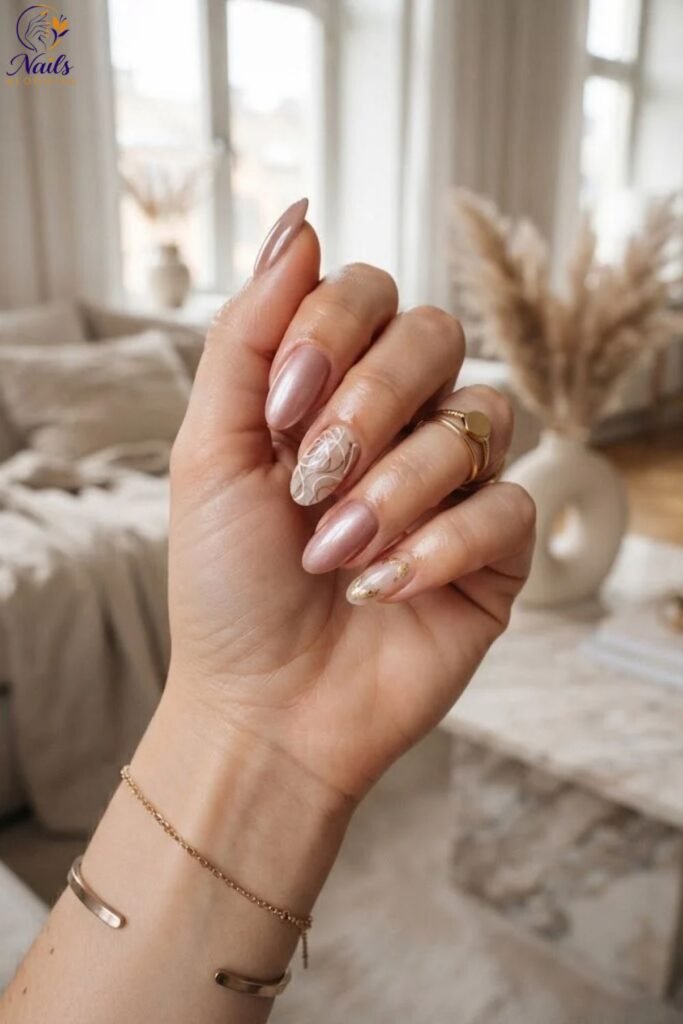
Full coverage tips apply a pre-shaped plastic tip to extend length, then cover the entire nail, tip included, with acrylic powder and liquid, creating one of the most common starting points among acrylic nail ideas. This method offers reliable, consistent shape since the tip provides a structural guide from the outset.
This particular approach tends to work especially well for those newer to acrylics or those wanting significant length added quickly, since the tip does much of the structural work upfront, requiring less freehand sculpting skill from the technician compared to building length entirely from acrylic alone.
A helpful example: someone getting acrylics for the first time often benefits from this method specifically, since the tip provides a reliable length and shape guide that makes the overall process faster and more predictable than techniques requiring extensive freehand building. This makes full coverage tips one of the more accessible entry points among acrylic nail ideas for beginners.
Maintenance for this method generally follows a standard fill schedule, every 2–3 weeks, since the acrylic overlay covering the tip requires regular upkeep as natural nail growth creates separation at the base.
Sculpted, No Tip Acrylics
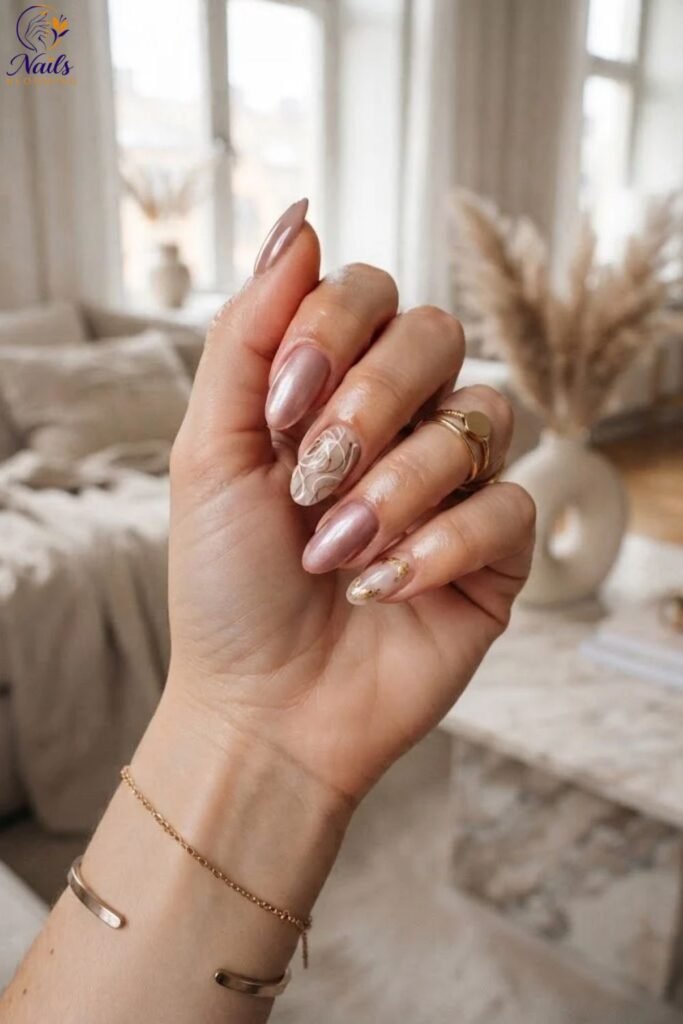
Sculpted acrylics build length entirely from acrylic powder and liquid using a form rather than a plastic tip, creating one of the more customizable acrylic nail ideas since the shape and length are entirely freehand rather than constrained by a pre-made tip’s specific curve.
This method requires considerably more skill from the technician, since building length and shape entirely from acrylic demands precise control over the product’s consistency and placement. The payoff is a genuinely seamless, natural-looking result without the transition line a tip can sometimes create.
A helpful example: someone with an unusual nail bed shape or curve that standard tips don’t fit well might find sculpted acrylics solve this fitting issue directly, since the form-based technique adapts entirely to their specific nail shape rather than requiring them to work around a tip’s fixed curve. This customization makes sculpted acrylics a valuable option among acrylic nail ideas for those with less standard nail proportions.
Because this technique demands more time and skill, appointments typically run longer, and choosing a technician with specific experience in sculpted work matters considerably more here than for tip-based methods.
Dual Form Acrylics

Dual-form systems use a reusable, precisely shaped form that sits beneath the nail during application, allowing the technician to sculpt acrylic into an exact, consistent shape before removing the form entirely, leaving no tip embedded in the nail. This creates some of the most seamless, natural-feeling acrylic nail ideas available.
This particular method benefits from producing a result that feels considerably more like a natural nail extension than tip-based techniques, since there’s no plastic tip material within the structure at all, just acrylic sculpted directly onto the natural nail using the form as a temporary guide.
A helpful example: someone who has experienced discomfort or an unnatural feeling with tip-based acrylics might find dual-form application feels noticeably different, often described as lighter and more flexible, since the entire structure is built from acrylic alone rather than incorporating a separate tip material. This makes dual-form techniques worth discussing among acrylic nail ideas for anyone specifically seeking a more natural feel.
This method also requires genuine technical skill and practice, meaning technician experience specifically with dual-form application matters considerably for achieving consistently even, well-shaped results.
Acrylic Overlay on Natural Nails
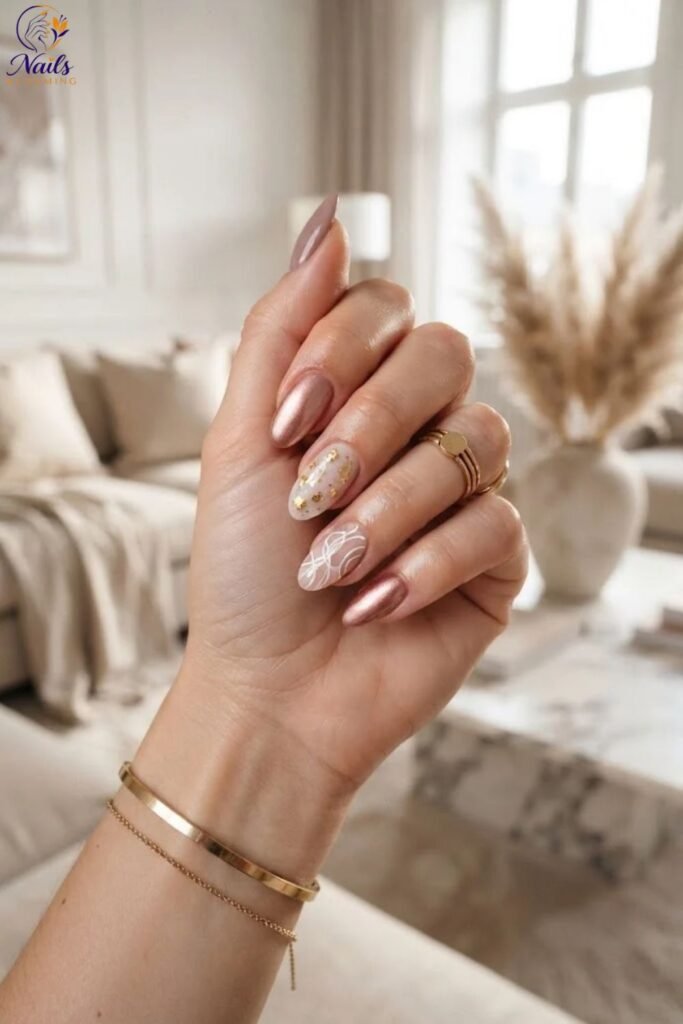
For those wanting acrylic’s strength and durability without added length, an overlay applies acrylic powder and liquid directly over the natural nail, creating one of the more practical, low-drama acrylic nail ideas for anyone primarily seeking reinforcement rather than dramatic extension.
This particular approach works especially well for people with naturally strong nail length who struggle specifically with breakage or peeling, since the acrylic layer adds structural reinforcement without requiring the maintenance and lifestyle adjustments significant added length typically demands.
A helpful example: someone with decent natural nail length who experiences frequent breakage or splitting might find an acrylic overlay solves this specific problem without the dramatic change a full extension would introduce, essentially using acrylic as reinforcement rather than as a length-adding technique. This distinction makes overlays a smart choice among acrylic nail ideas for those with specific structural concerns rather than length goals.
Maintenance for overlays follows a similar fill schedule to other acrylic methods, though the absence of added length sometimes means slightly less dramatic regrowth lines to address at each appointment.
Short to Medium Length for First Timers
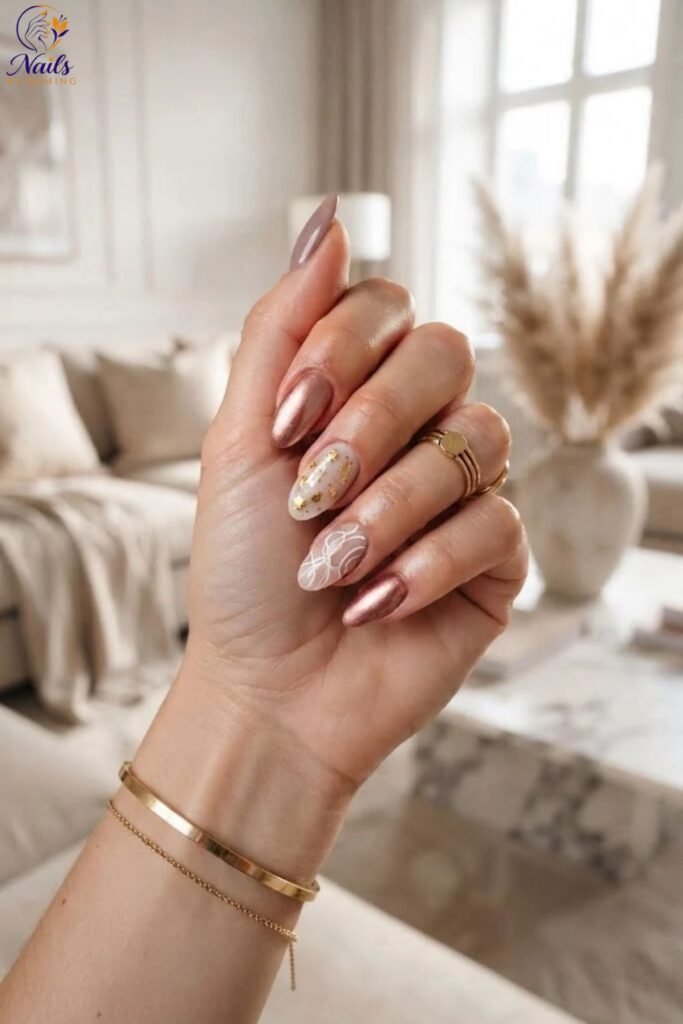
Choosing a conservative, short-to-medium length represents one of the more practical acrylic nail ideas for anyone trying acrylics for the very first time, allowing genuine adjustment to the experience of having acrylic nails before committing to more dramatic length.
This approach benefits from being genuinely forgiving while you adjust to typing, texting, and general daily tasks with a different nail structure than you’re used to, since shorter length requires less behavioral adjustment than dramatic length changes typically demand immediately.
A helpful example: someone getting acrylics for the first time who jumps straight to dramatic length often finds the adjustment period considerably more challenging, struggling with basic tasks for the first week or two, while starting shorter allows a gentler transition before potentially building up to longer length at subsequent appointments. This gradual approach makes short-to-medium length one of the more sensible starting points among acrylic nail ideas for beginners specifically.
This length range also tends to be more universally practical for work environments with specific hand-use demands, making it a safer initial choice before you’ve determined how longer acrylics fit into your actual daily routine.
Colored Acrylic Powder Without Polish
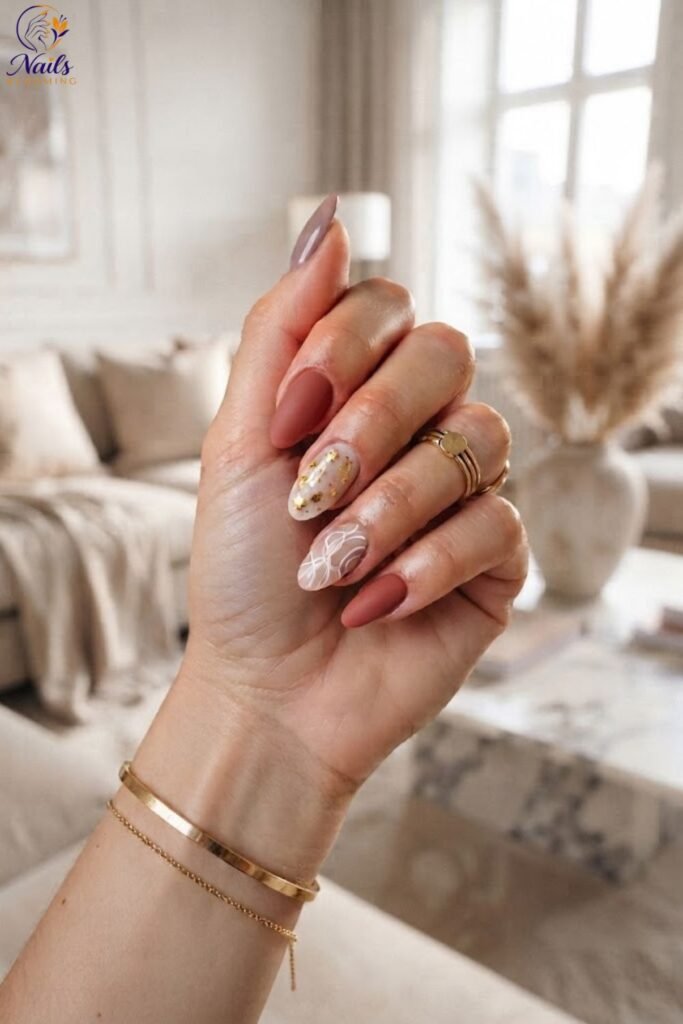
Using pigmented acrylic powder directly, rather than clear or natural powder topped with separate polish, creates color and structure simultaneously, offering one of the more durable acrylic nail ideas since there’s no separate polish layer to chip away from the underlying structure.
This particular technique tends to result in noticeably better color longevity than polish applied over standard acrylic, since the pigment is embedded throughout the acrylic material itself rather than sitting as a thin surface layer vulnerable to chipping and wear.
A helpful example: someone who finds their acrylic manicures chip at the color layer well before the actual acrylic needs a fill often finds colored acrylic powder solves this specific frustration, since there’s no separate polish layer to wear away independently from the structural acrylic beneath it. This durability advantage makes colored powder worth considering among acrylic nail ideas for anyone specifically frustrated by chipping.
This technique does offer a somewhat more limited color and finish range compared to the countless polish options available for standard acrylic, a tradeoff worth weighing against the durability benefit.
Encapsulated Glitter and Foil Accents
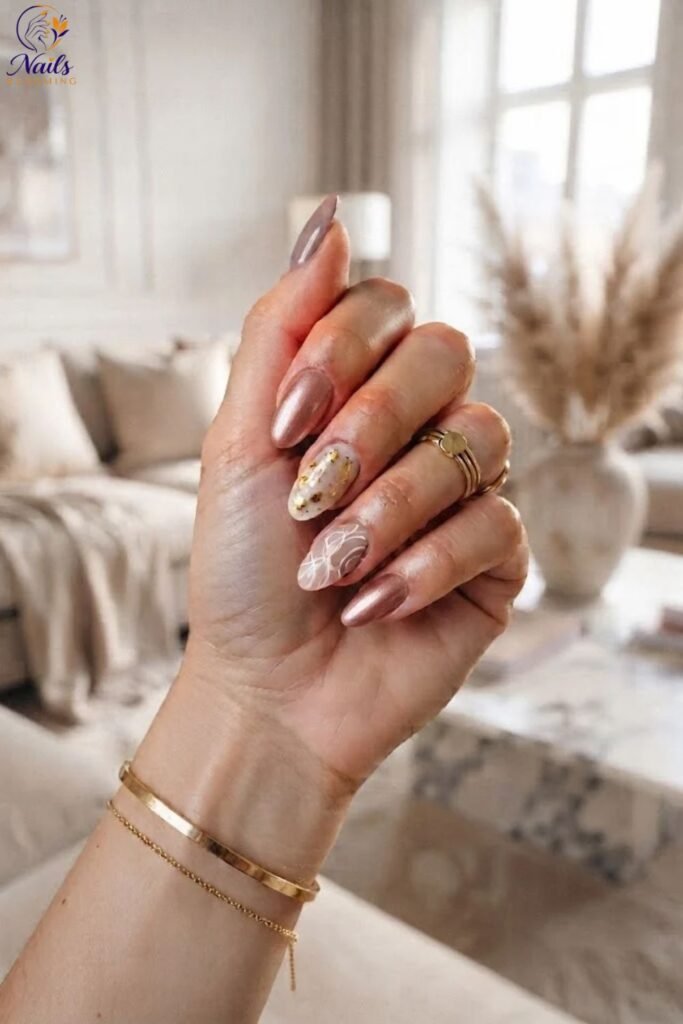
Encapsulating glitter or metallic foil within layers of clear acrylic creates dimensional sparkle that stays genuinely protected within the nail’s structure, offering one of the more durable sparkle-focused acrylic nail ideas compared to glitter applied only as a surface topcoat.
This technique depends on acrylic’s layered building process specifically, applying a base layer, placing the glitter or foil, then sealing it beneath additional clear acrylic, a structural approach that keeps the sparkle embedded rather than vulnerable to rubbing off with daily wear.
A helpful example: someone who loves glitter nails but finds the sparkle looks dull or patchy within a week when applied as standard topcoat glitter might find encapsulated glitter maintains its full brilliance considerably longer, since the clear acrylic sealing protects it from the surface wear standard glitter topcoat experiences directly. This durability makes encapsulation worth considering among acrylic nail ideas for glitter enthusiasts specifically.
This particular technique requires genuine skill in layering and sealing evenly, making professional application considerably more reliable than attempting this at home without specific acrylic experience.
Ombre French With Acrylic Structure
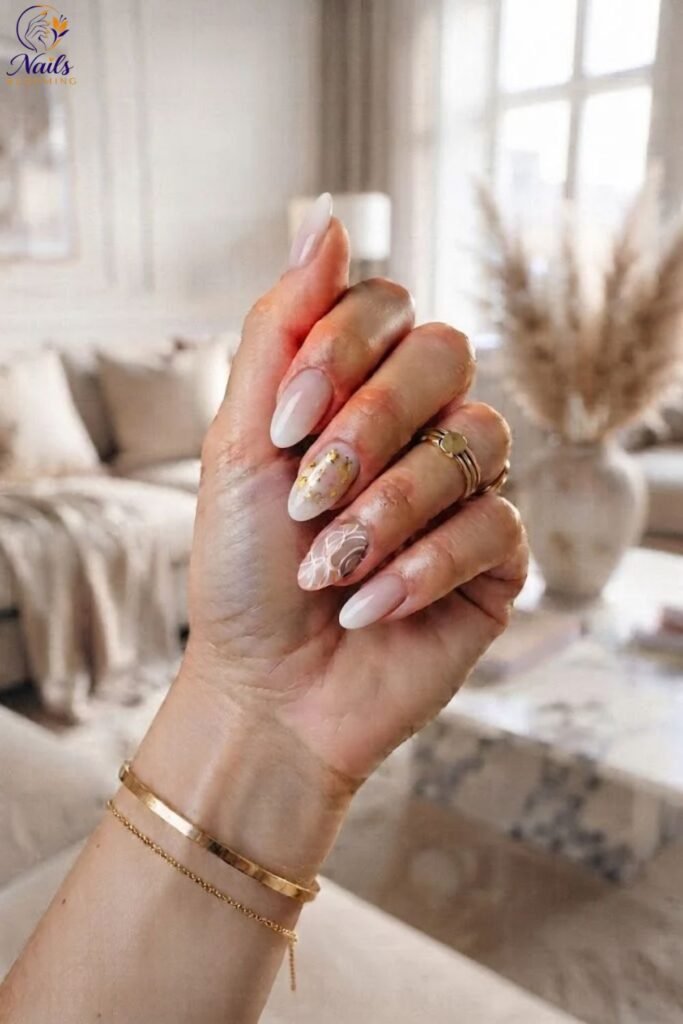
Blending the classic French manicure’s tip contrast into a soft, gradual ombre transition works particularly well on acrylic specifically, since the material’s smooth, consistent surface allows the blend between natural or nude tones and the tip color to display with genuine clarity and evenness.
This particular style benefits from acrylic’s structural stability at the tip especially, since the ombre French typically features a longer, sometimes more dramatically shaped tip than a standard French manicure, and acrylic provides the reinforcement needed to support this shape without excessive breakage risk.
A helpful example: someone who loves the classic French look but wants something that feels more current might find ombre French acrylics offer this exact update, softening the traditional sharp line into a more contemporary gradient effect. This makes it one of the more consistently popular acrylic nail ideas that bridges classic and current styling.
Achieving a clean ombre blend requires working with a sponge technique specifically while the acrylic product remains workable, since the blending window is more limited than with standard polish.
Practical Maintenance Focused Fill Designs
Choosing designs specifically suited to disguising regrowth between fill appointments represents an often-overlooked category among acrylic nail ideas, prioritizing practicality alongside aesthetics for those wanting their manicure to look consistently fresh across the full fill cycle, not just on day one.
Techniques like ombre, negative space, or subtle gradient designs tend to disguise regrowth more gracefully than solid, opaque color, since these styles don’t create the same stark demarcation line between old and new growth that a completely flat, single color inevitably shows as the weeks progress.
A helpful example: someone who typically chooses solid, bold color might find their manicure looks noticeably less polished by the second or third week, while switching to an ombre or negative space design among acrylic nail ideas maintains a fresher appearance throughout the entire period between fills, since there’s no sharp color line for regrowth to visibly interrupt.
This consideration matters particularly for anyone specifically trying to extend time between appointments, whether for budget or scheduling reasons, since design choice genuinely affects how long a set continues looking intentional.
Seasonal Acrylic Refresh Without a Full New Set
Rather than removing and redoing an entire set each season, refreshing an existing acrylic set with a new color or subtle design update at a regular fill appointment offers one of the more practical, budget-conscious acrylic nail ideas for maintaining seasonal relevance without unnecessary removal and reapplication.
This approach works because a standard fill appointment already involves adding fresh acrylic at the regrowth area and can easily incorporate a complete color change at the same time, meaning you get seasonal freshness without paying for or undergoing full removal and rebuilding unless genuinely necessary.
A helpful example: someone who wants to shift from a summer-appropriate bright color to a deeper, autumn-appropriate shade doesn’t necessarily need to remove their entire set and start over, since their next scheduled fill appointment can simply incorporate the new color choice alongside the routine maintenance already needed. This efficient approach makes seasonal updates one of the more practical acrylic nail ideas for maintaining a fresh look without excessive cost or nail stress.
Discussing seasonal color changes with your technician ahead of your regularly scheduled fill helps them prepare appropriately and ensures the transition happens smoothly during your normal maintenance visit.
Matching Acrylic Nail Ideas to Your Lifestyle
Beyond personal aesthetic preference, your actual daily lifestyle should meaningfully shape which acrylic nail ideas make genuine sense for you, a consideration many people skip in favor of choosing purely based on photos. Physically demanding jobs, healthcare work, manual labor, or anything involving frequent hand-washing and glove use generally suit shorter, sturdier acrylic applications better than dramatic length and delicate embellishment.
Creative or client-facing roles where hands are frequently visible might justify investing in more elaborate acrylic nail ideas, since the visual impact genuinely serves a practical purpose within that specific professional context, while more physically active daily routines benefit from prioritizing durability and comfort over maximum visual drama.
A helpful example: someone starting a new job involving significant hands-on physical work might need to reconsider the dramatic, long acrylic set that suited their previous, less physically demanding role, since the mismatch between lifestyle and nail choice often leads to frequent breakage and frustration. Reassessing acrylic nail ideas honestly against your actual daily activities, rather than purely aesthetic preference, produces considerably more satisfying, sustainable results.
Discussing your typical daily activities honestly with your technician during the consultation helps them recommend length, shape, and application methods genuinely suited to how you actually live, not just how a particular style photographs.
Common Mistakes to Avoid With Acrylic Nail Ideas
One of the most frequent mistakes is choosing length and shape based purely on inspiration photos without considering your own lifestyle and daily hand use, often resulting in a set that looks beautiful initially but proves impractical within days. Discussing your actual routine with your technician helps avoid this common mismatch.
Another common error involves neglecting regular fill appointments, since skipped or delayed fills increase the risk of lifting, breakage, and an unkempt appearance as natural growth creates increasing separation from the acrylic structure.
Choosing a technician without asking about their specific experience with your preferred application method, whether tip-based, sculpted, or dual-form, is another frequently repeated mistake, since these techniques genuinely require different skill sets and not every technician has equal experience across all of them.
Finally, neglecting proper removal, attempting to pick or peel acrylics off rather than having them professionally soaked off, is a mistake worth avoiding, since this practice frequently damages the natural nail bed significantly more than proper removal ever would.
The Future of Acrylic Nail Ideas
Acrylic nail ideas continue to evolve alongside genuine advances in formulation technology, with more brands developing lighter-weight, less damaging acrylic systems that provide the same structural benefits while reducing some of the natural nail stress historically associated with traditional formulations.
There’s also growing emphasis on hybrid techniques that combine acrylic’s durability with gentler application methods, reflecting broader industry interest in balancing long-lasting wear with genuine nail health preservation over time.
Product technology is advancing alongside this trend as well, with more brands developing specialized forms, tips, and colored powders designed to make more advanced techniques, like dual-form application, increasingly accessible to a wider range of skill levels among professional technicians.
Looking ahead, personalized digital consultation tools, including apps that help match specific acrylic techniques and shapes to individual lifestyle factors, are beginning to help people choose acrylic nail ideas genuinely suited to their daily routine before ever sitting down in the chair.
Conclusion
Acrylic nail ideas work best when application method and lifestyle fit are considered alongside color and design. From full coverage tips to dual form sculpting, there’s an option here suited to nearly every nail shape, skill level, and daily routine. The key is choosing a technique that genuinely matches how you actually live. Ready to try one of these acrylic nail ideas Bring this guide to your next appointment and start the conversation with your nail technician.

Alex Parker is a nail and beauty enthusiast with 5 years of experience in nail art and beauty trends. Through NailsBlooming.com, Alex shares fresh nail designs, trendy colors, seasonal styles, and simple manicure inspiration. The goal is to make finding beautiful and creative nail ideas easy for everyone.


