
Simple Nail Designs: The Complete Guide to Technique, Color, and Application
Simple nail designs remain one of the most consistently searched manicure styles precisely because clean, uncomplicated looks already carry a naturally polished quality before any elaborate technique is even applied. Unlike intricate nail art requiring years of practice, simple nail designs rely on precision and thoughtful color choices, which explains why this approach has remained accessible and popular for both professional application and at-home manicures alike.
This guide goes beyond a simple gallery of simple nail designs. It explains how nail shape, color pairing, and even application order should influence your approach to easy, everyday manicures, along with details most articles skip entirely like why certain simple techniques that look flawless on longer nails can appear incomplete on shorter ones, and why simple designs demand different precision consideration than heavily detailed nail art. Whether you’re a nail art beginner or refining an at home routine you already maintain, this is the deeper, more practical guide.
Why Simple Nail Designs Need Application Specific Technique
Simple nail designs require more application specific technique than they initially appear to, largely because a design with fewer elements leaves considerably less room to disguise uneven polish application or streaking. A single, solid color coat that’s applied unevenly becomes immediately obvious, whereas the same flaw might blend into a busier, multi element design without much notice.
This distinction matters because it directly affects which specific application methods genuinely achieve the clean, professional look simple nail designs depend on versus which ones leave the manicure looking amateurish. Thin, even coats applied in three strokes, one down the center and one on each side, tend to produce considerably smoother results than attempting full coverage in a single thick application.
A helpful example: someone applying a single thick coat of polish to save time might find the color pools unevenly near the cuticle or dries with visible brush strokes, since thick application doesn’t self level as effectively as thinner layers. Using two thin coats instead of one thick coat, specifically for simple nail designs, produces a considerably more even, professional looking result.
Because simple nail designs also rely heavily on clean edges and cuticle lines, using a small angled brush to clean up any polish that touches the skin helps maintain the crisp, tidy appearance this style depends on for looking genuinely polished.
Read More: https://nailsblooming.com/trendy-acrylic-nail-designs/
Classic Solid Color Manicure
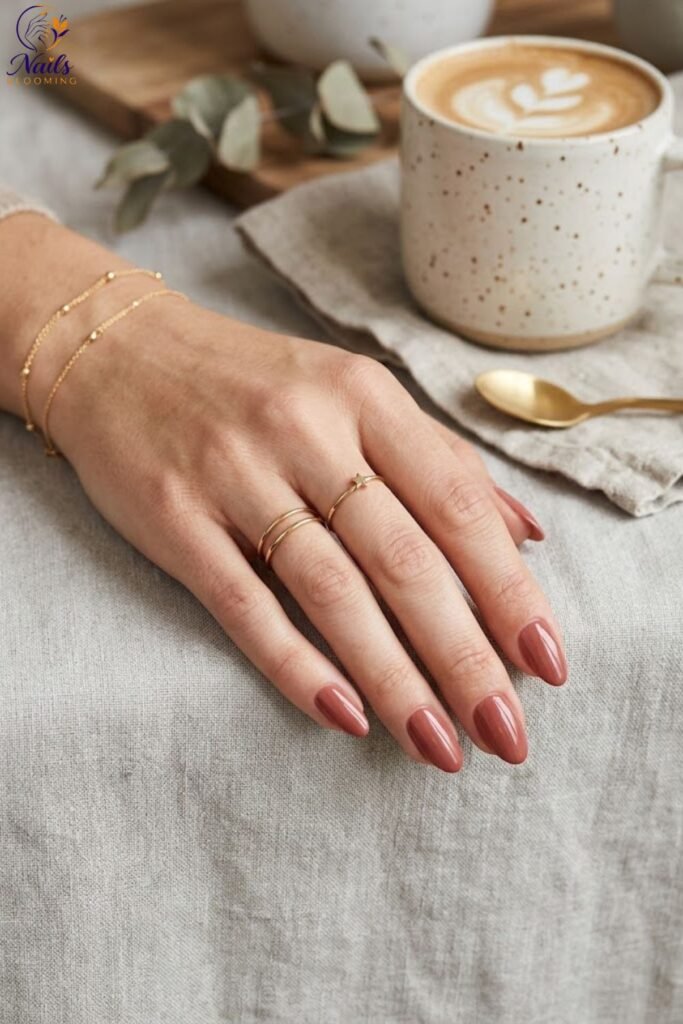
A single, well chosen solid color remains one of the most timeless simple nail designs, offering clean, cohesive color that requires no additional detail work or technique beyond careful application. This particular approach has remained a reliable staple for years because a well applied solid color always looks intentional and put together regardless of current trends.
Choosing the right formula matters considerably here, since a cream or jelly finish tends to require more coats for full opacity, while a well pigmented, one coat formula can achieve the same solid coverage more efficiently within simple nail designs. Testing formula opacity on a spare nail first helps determine how many coats a specific polish genuinely needs.
A helpful example: someone wanting simple nail designs that still look considered rather than plain often finds that choosing a slightly unexpected color, like a deep terracotta or muted sage, elevates a basic solid manicure beyond a standard nude or classic red. This nuance is a detail many general nail guides overlook when discussing simple nail designs specifically.
A high shine top coat applied as the final step tends to elevate this combination further, since the glossy finish makes even a single solid color look considerably more polished and complete.
Two Tone Half Moon Manicure
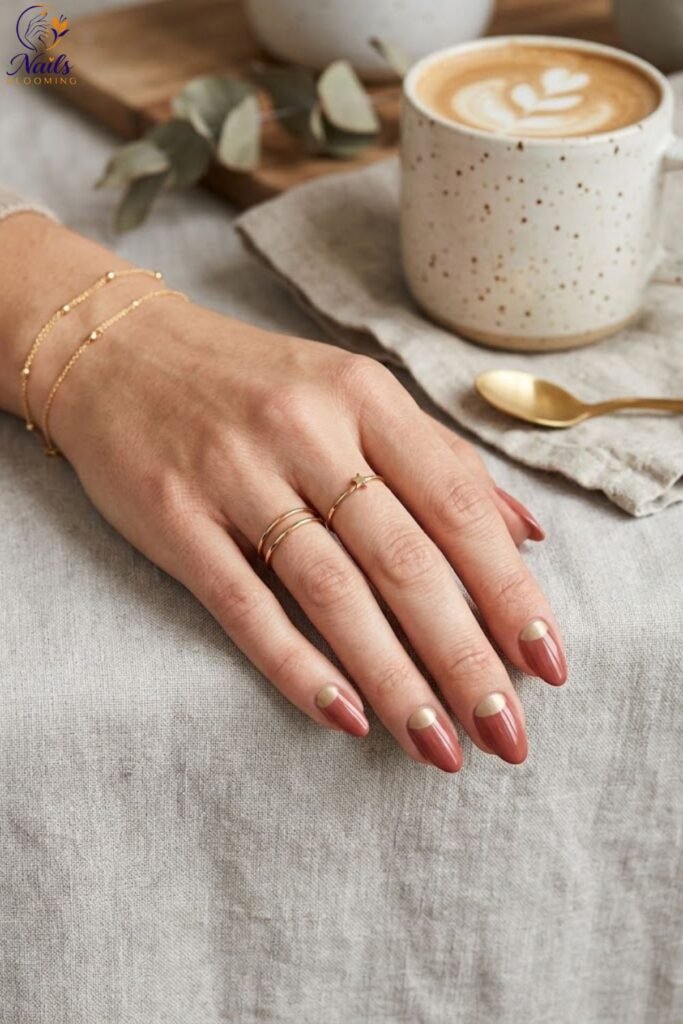
Painting the base of the nail in one color and leaving a small crescent near the cuticle in a contrasting shade creates one of the more visually interesting simple nail designs available, relying on clean division rather than intricate detail work. This particular technique uses two colors and one precise line to achieve genuine visual impact.
This particular approach tends to work especially well when using a small, curved sticker or guide to create the crescent shape, since freehand curves are considerably harder to achieve cleanly than a straight line within simple nail designs. Removing the guide before the polish fully dries helps prevent peeling or smudging along the crescent edge.
A helpful example: someone wanting simple nail designs with a bit more visual interest than a solid color, but without committing to detailed nail art, often finds the half moon technique offers a genuine middle ground, providing two tone color with minimal added time or skill. This makes it one of the more accessible simple nail designs for those newer to at home manicures specifically.
Choosing two colors within a similar tonal family, rather than starkly contrasting shades, tends to create a more sophisticated, cohesive version of this classic technique.
Single Accent Nail Manicure
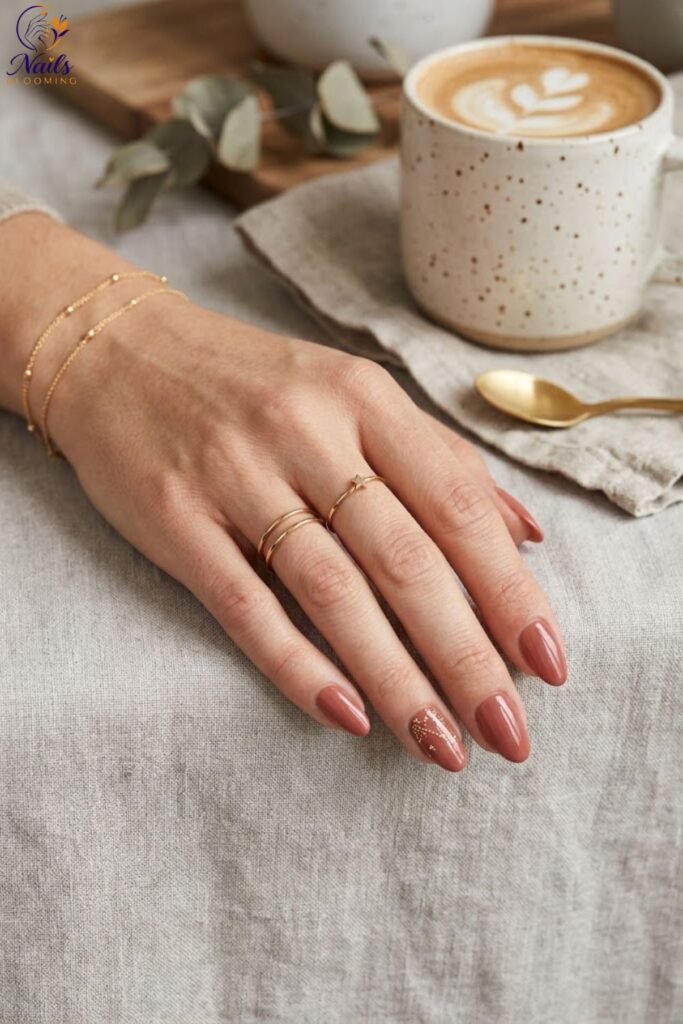
Painting nine nails in one solid color and a single accent nail in a different color or finish creates a genuinely simple yet visually interesting addition to simple nail designs, relying on one point of contrast rather than an all over pattern. This particular technique requires no additional skill beyond standard solid color application.
This shade combination tends to work especially well when the accent nail uses a bolder or more textured finish, like glitter or chrome, against an otherwise neutral base, since the contrast creates a clear focal point without overwhelming the rest of the simple nail designs.
A helpful example: someone wanting to incorporate a trend, like chrome or glitter, without committing to it across all ten nails often finds that a single accent nail solves this need effectively, delivering visual interest while keeping the overall look genuinely simple and low effort. This makes it a popular, practical choice among simple nail designs for testing new finishes or colors.
Choosing the ring finger for the accent nail, a placement long favored in nail art for its natural visual prominence, tends to draw attention to the contrasting color most effectively.
Simple Nail Designs with a Single Fine Line
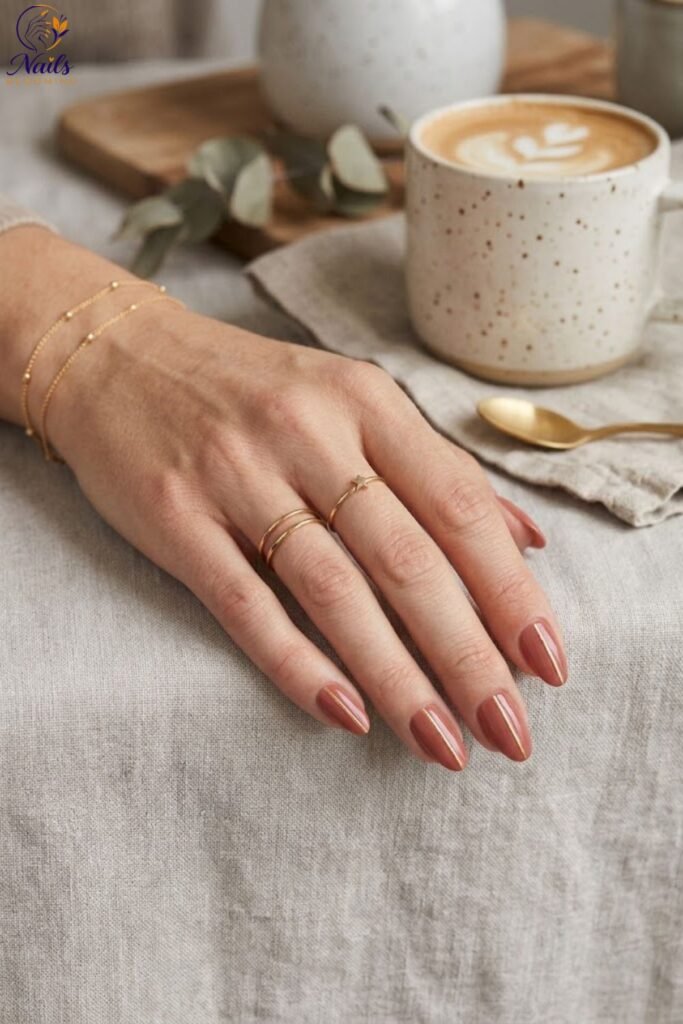
Adding one thin, precise line across or along the nail introduces subtle visual interest to simple nail designs without requiring elaborate painting skill. This particular technique relies on precise placement rather than intricate detail, making it achievable even for those with minimal nail art experience.
This particular technique tends to work especially well using striping tape rather than freehand painting, since the tape ensures a clean, straight line that would be difficult to replicate consistently by hand within simple nail designs. Removing the tape carefully before the polish sets prevents smudging along the line’s edge.
A helpful example: someone wanting simple nail designs that feel slightly more considered than a plain solid color often finds that a single fine line, in either a matching or contrasting color, adds just enough detail to feel intentional without requiring advanced skill. This makes it one of the more approachable simple nail designs for those wanting a small step beyond basic color application.
Using a metallic or gold line against a neutral base tends to add a subtle, elevated quality to this otherwise minimal technique.
Classic French Manicure

The traditional French manicure, featuring a natural or nude base with a white tip, remains one of the most enduringly popular simple nail designs, offering a clean, universally flattering look suited to nearly any occasion. This particular technique has remained a staple for decades because the two tone structure feels polished without requiring elaborate detail work.
This particular approach tends to work especially well using nail guides or striping tape to achieve a crisp, even tip line, since freehand tip painting requires considerably more steady handed practice to achieve consistent results across all ten nails within simple nail designs.
A helpful example: someone wanting simple nail designs suited to a professional or formal setting often finds the classic French manicure delivers a timeless, appropriate look without needing to consider current trends or bold color choices. This makes it a genuinely reliable choice among simple nail designs for job interviews, weddings, or conservative workplaces specifically.
Using an off white or cream tip, rather than stark white, offers a subtle, modern update to this classic technique while maintaining its fundamentally simple, elegant structure.
Simple Nail Designs with Matte Finish
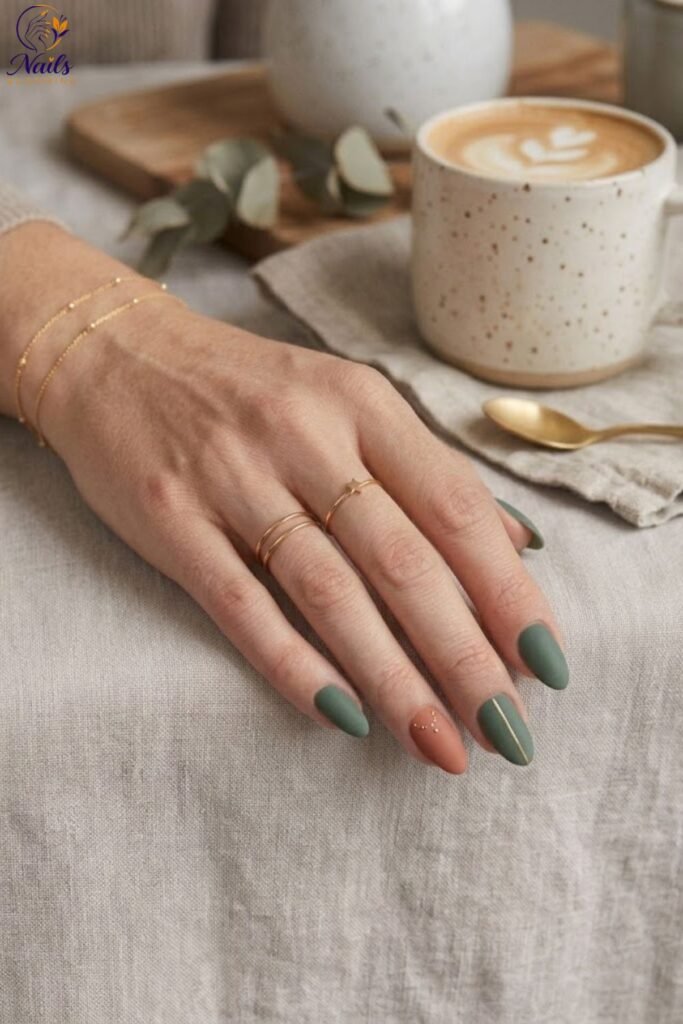
Applying a matte top coat over a solid color base creates a genuinely modern variation among simple nail designs, transforming an otherwise standard manicure into something that feels more contemporary and editorial. This particular technique requires no additional painting skill, simply a different top coat product applied as the final step.
The matte finish specifically plays a significant role in why this variation feels distinctive rather than simply replicating a standard glossy manicure. A glossy solid color reflects light sharply, while the same color under a matte top coat creates a muted, velvety texture instead, giving simple nail designs an entirely different visual character.
A helpful example: someone who wants their simple nail designs to feel more current without adding any additional color or pattern often finds that switching from glossy to matte top coat specifically resolves this, since matte inherently modernizes the overall appearance while keeping the underlying design just as simple. This finish distinction is a detail many general nail guides overlook when discussing simple nail designs specifically.
Applying the matte top coat in a single, even layer helps avoid the slightly cloudy or streaky appearance that can occur with uneven matte application.
Negative Space Tip Manicure
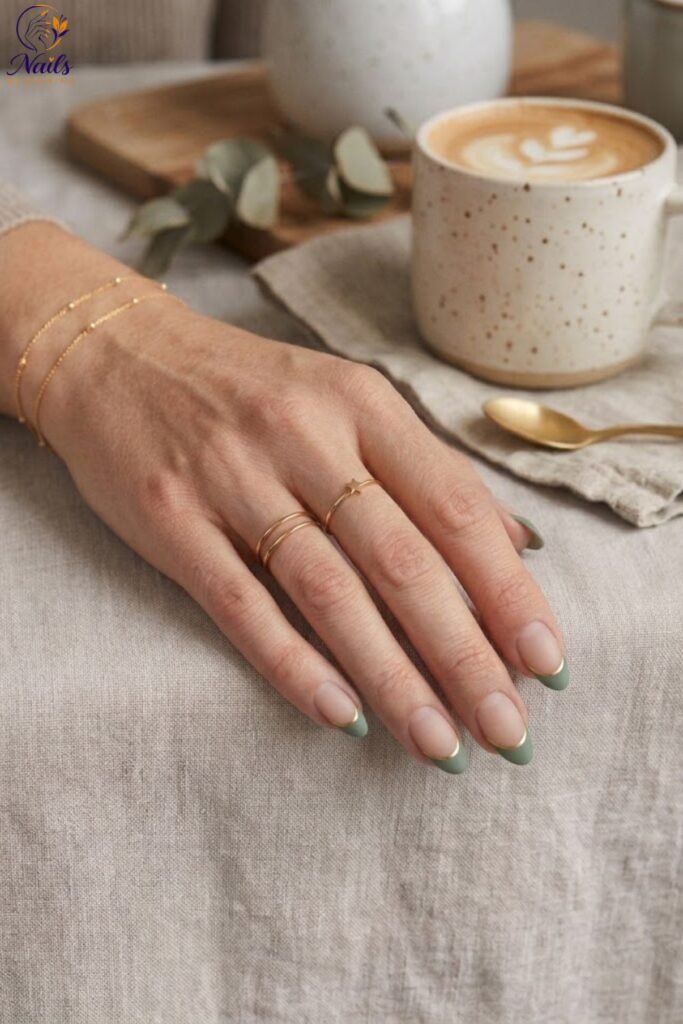
Leaving the very tip of the nail bare, rather than painting it, while the rest of the nail carries solid color creates a striking yet understated addition to simple nail designs. This technique inherently relies on precision at the free edge, since an uneven or jagged bare section can look accidental rather than intentional.
This particular design category also tends to be genuinely practical, since leaving the tip bare means less visible chipping occurs at the point where manicures typically wear first, allowing simple nail designs using this technique to look fresh slightly longer than fully covered nails.
A helpful example: someone who frequently experiences chipping specifically at the tip of their nails often finds that negative space tip designs disguise this common wear pattern effectively, since the bare tip naturally hides minor chips that would otherwise be obvious against solid polish. This makes it a genuinely practical choice among simple nail designs for those wanting a longer lasting manicure.
Using a straight edge sticker or tape to mask the tip section before applying polish helps achieve the clean, even line this particular technique depends on.
Simple Nail Designs with Glossy Ombre
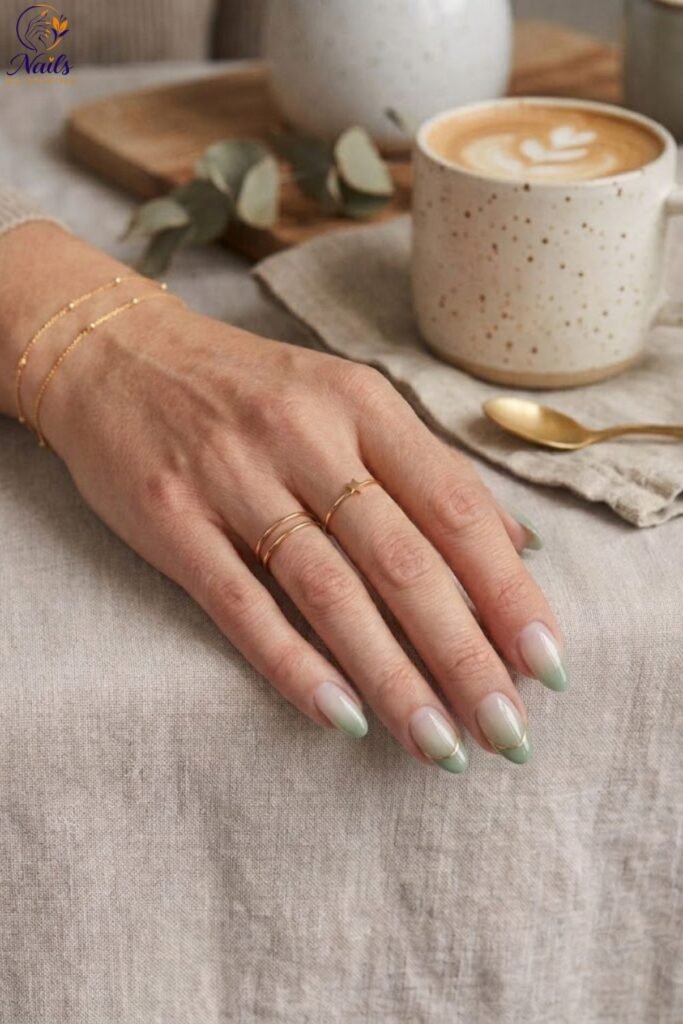
A soft, two color gradient blending from the cuticle to the tip creates one of the more visually appealing yet still genuinely simple nail designs, relying on a makeup sponge technique rather than freehand painting or detailed brushwork. This particular method makes ombre considerably more accessible than it initially appears.
This particular technique tends to work especially well using two closely related shades, since colors within the same tonal family blend more smoothly and forgivingly than starkly contrasting colors, which require more precise technique to avoid a harsh, uneven transition within simple nail designs.
A helpful example: someone wanting simple nail designs with a bit more visual complexity than a solid color, without needing steady handed detail skills, often finds that the sponge ombre technique achieves genuine gradient effects through a forgiving, beginner friendly method. This makes it one of the more rewarding simple nail designs for those wanting to expand their at home manicure skills gradually.
Dabbing the sponge in a slightly different position for each nail, rather than applying identically, helps create natural variation that makes the ombre look more organic and less mechanically uniform.
Simple Nail Designs with a Single Dot Accent
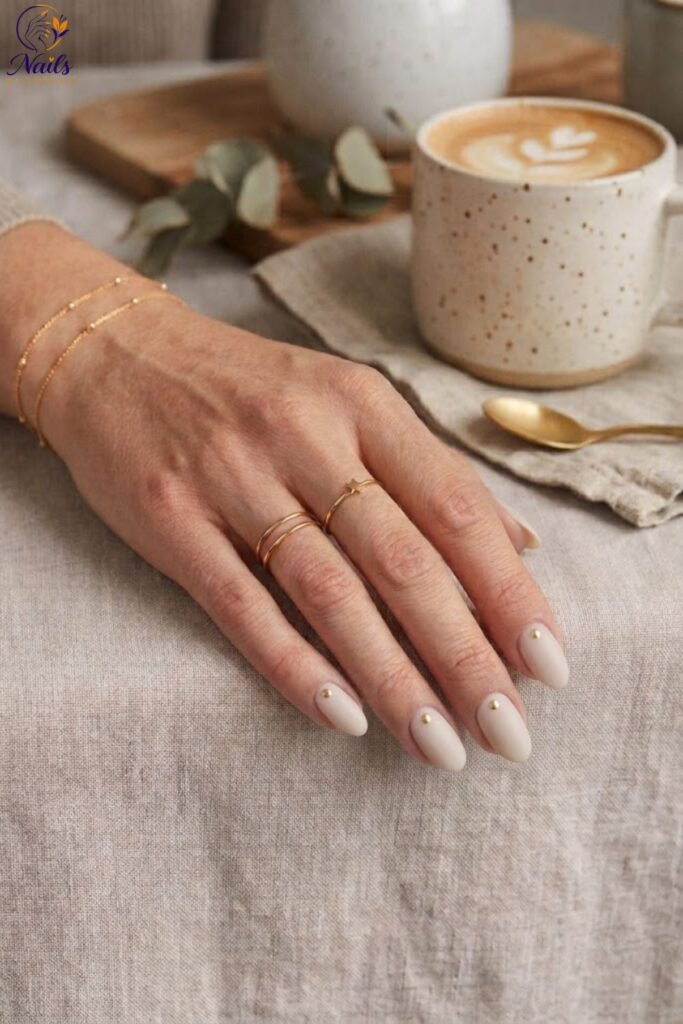
Placing one small, precisely sized dot near the cuticle or center of the nail introduces subtle decoration to simple nail designs without requiring any painting skill beyond careful placement. This particular technique depends on a dotting tool, or even the rounded end of a bobby pin, to create a clean, consistent circular shape.
This particular approach tends to work especially well when the dot color contrasts clearly against the base, since a low contrast dot can be difficult to see clearly, undermining the visual interest this simple addition is meant to provide within simple nail designs.
A helpful example: someone wanting to add a small decorative element to their simple nail designs without investing in nail art brushes or advanced tools often finds that a single dot, using just a dotting tool or bobby pin, achieves genuine visual interest with minimal additional effort or cost. This makes it one of the most accessible simple nail designs for complete nail art beginners.
Placing the dot slightly off center, rather than in the exact middle of the nail, tends to look more intentional and contemporary than perfectly centered placement.
Simple Nail Designs with Milky Sheer Polish
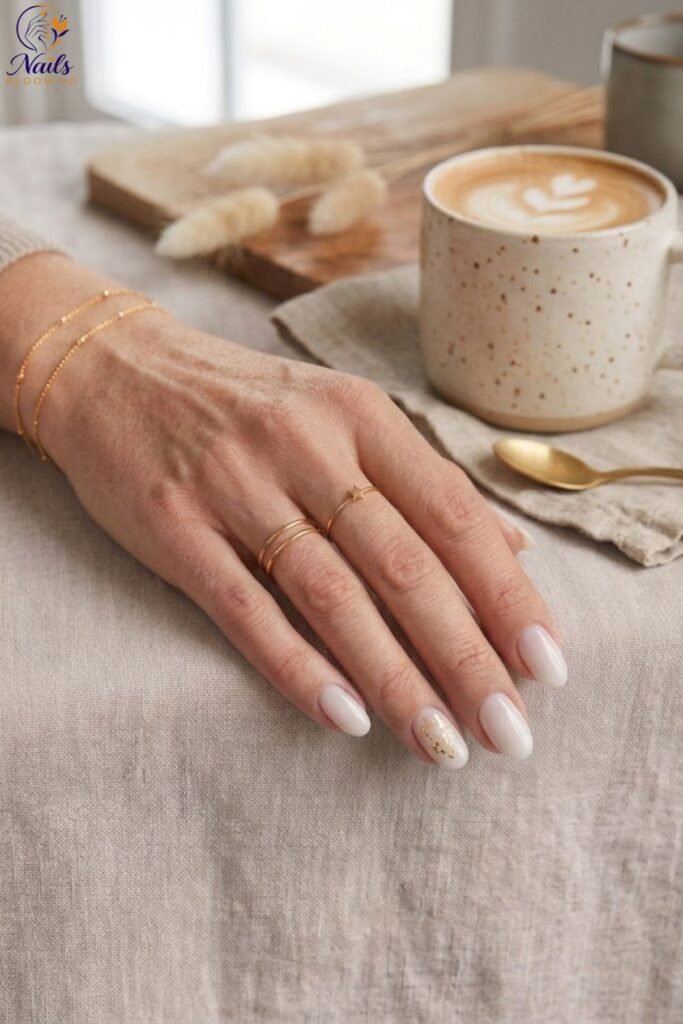
A soft, semi sheer milky white or nude polish creates one of the most universally flattering simple nail designs, offering understated color that requires minimal precision while still looking genuinely polished. This particular finish has grown significantly in popularity because the sheer, glazed quality flatters nearly every skin tone without needing careful shade matching.
This shade family also proves genuinely practical for those newer to manicures, since the sheer application forgives minor unevenness far more easily than a fully opaque, bold color would, making simple nail designs using milky polish considerably more beginner friendly.
A helpful example: someone wanting simple nail designs that look effortlessly put together with minimal application skill often finds that a milky sheer polish achieves a soft, elegant look even with imperfect application, since the sheer finish naturally disguises small inconsistencies. This makes it one of the more forgiving simple nail designs for nail art or manicure beginners specifically.
Applying two to three thin coats, rather than one thick layer, helps achieve the signature soft, cloud-like opacity this particular finish depends on for the most flattering result.
Choosing Simple Nail Designs by Nail Shape
Nail shape plays a meaningful role in how simple nail designs ultimately look, a detail generic style roundups often skip entirely. Those with almond or oval shaped nails tend to have the most flexibility, since the naturally tapered surface complements most techniques discussed in this guide without significant adjustment needed.
Those with square or shorter nails specifically tend to benefit from techniques like the classic French tip or negative space designs, since these styles work with a flatter, more compact nail surface more easily than curved techniques like the half moon manicure. Choosing designs suited to a straighter edge helps simple nail designs look intentional rather than awkward on these shapes.
A helpful example: someone with short, square nails who attempts a half moon manicure meant for a more tapered shape might find the curved crescent looks slightly disproportionate against the flatter nail edge. Choosing a French tip or single accent nail instead still achieves genuine visual interest while working with the nail’s natural shape among simple nail designs specifically suited to square or shorter nails.
Considering your specific nail shape before choosing a technique, rather than selecting purely based on trend photos, helps ensure the final result genuinely looks polished on your individual nails.
Common Mistakes to Avoid With Simple Nail Designs
One of the most frequent mistakes is applying polish in one thick coat rather than two thin coats, resulting in uneven pooling, visible brush strokes, or extended drying time that increases the risk of smudging. Using thin, even coats helps avoid this common issue within simple nail designs.
Another common error involves skipping a base coat entirely, which can lead to staining on natural nails, particularly with darker or more pigmented polish colors. Applying a proper base coat first protects the natural nail and helps the color glide on more smoothly.
Neglecting cuticle cleanup is another frequently repeated mistake, since polish that touches the surrounding skin makes even a technically well applied simple nail design look messy and unfinished. Using a small angled brush dipped in acetone to clean up edges after application helps maintain a crisp, professional appearance.
Finally, skipping a top coat undermines the longevity of even the most carefully applied simple nail designs, since polish without a protective seal chips and dulls considerably faster. Applying a quality top coat helps maintain both the shine and durability of the finished manicure.
The Future of Simple Nail Designs
Simple nail designs continue to evolve alongside broader advances in polish formula technology, with newer gel hybrid formulas achieving both quick dry convenience and gel like longevity, making simple, at home manicures considerably more durable than polishes used even a few years ago.
There’s also a growing emphasis on tool accessibility, with more brands developing affordable dotting tools, striping tape, and nail guides specifically designed to help beginners achieve clean, professional looking results without salon level skill or experience.
Product technology is advancing alongside this trend as well, with more brands releasing one coat, high opacity formulas specifically suited to simple nail designs, reducing the application time and skill required to achieve full, even coverage.
Looking ahead, nail art apps and tutorials using augmented reality are beginning to help people preview how different simple nail designs might look on their own hands before committing to a specific color or technique, potentially reducing uncertainty for at home manicure enthusiasts.
Conclusion
Simple nail designs prove that a clean, well executed manicure can look just as polished as elaborate nail art, relying on precise application rather than complex technique. From a classic solid color to a soft milky ombre, there’s an option here suited to nearly every skill level and nail shape. The key is prioritizing clean application over complexity. Ready to try one of these simple nail designs Grab your favorite polish and start practicing these easy, beginner friendly techniques today.

Alex Parker is a nail and beauty enthusiast with 5 years of experience in nail art and beauty trends. Through NailsBlooming.com, Alex shares fresh nail designs, trendy colors, seasonal styles, and simple manicure inspiration. The goal is to make finding beautiful and creative nail ideas easy for everyone.


